
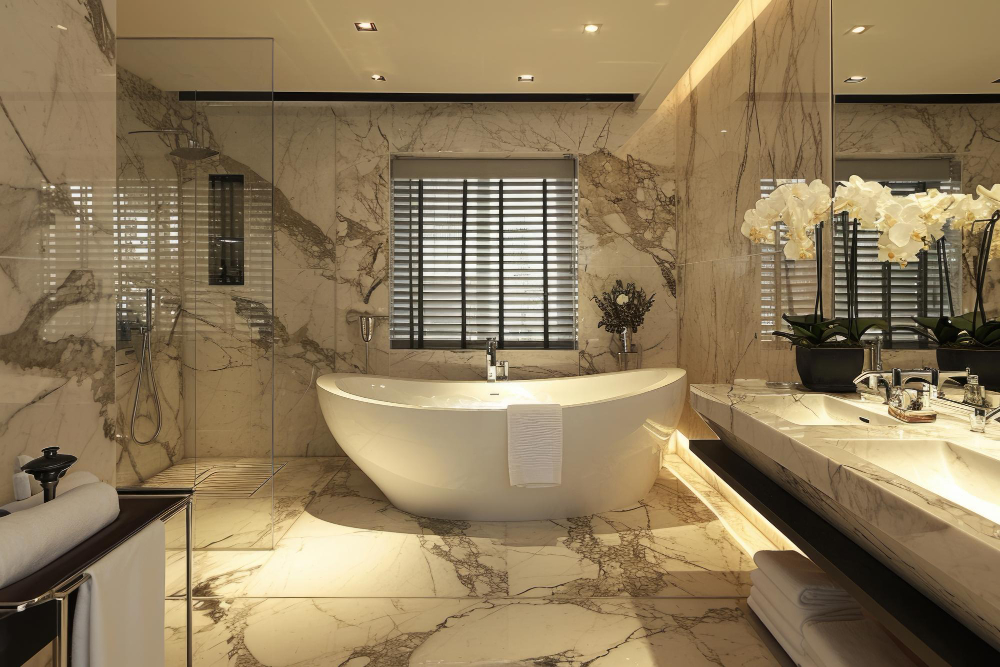
Not every bathroom renovation is about replacing finishes or upgrading fixtures. In many homes, the real issue is that the entire layout no longer works for the people using it. That is why more homeowners are turning to bathroom conversions to completely rethink how space is organized, accessed, and experienced every day.
A well-planned bathroom conversion can dramatically improve comfort, accessibility, storage, movement, and overall household functionality — often without increasing the size of the room itself.
What Is a Bathroom Conversion?
A bathroom conversion involves changing the structure, purpose, or configuration of an existing bathroom layout in order to improve how the space functions.
Common conversion projects may include:
- Tub-to-shower conversions
- Shower-to-tub installations
- Powder room expansions
- Layout reconfiguration
- Accessibility-focused remodeling
- Space optimization upgrades
Instead of simply updating appearances, these projects focus on solving functional problems within the home.
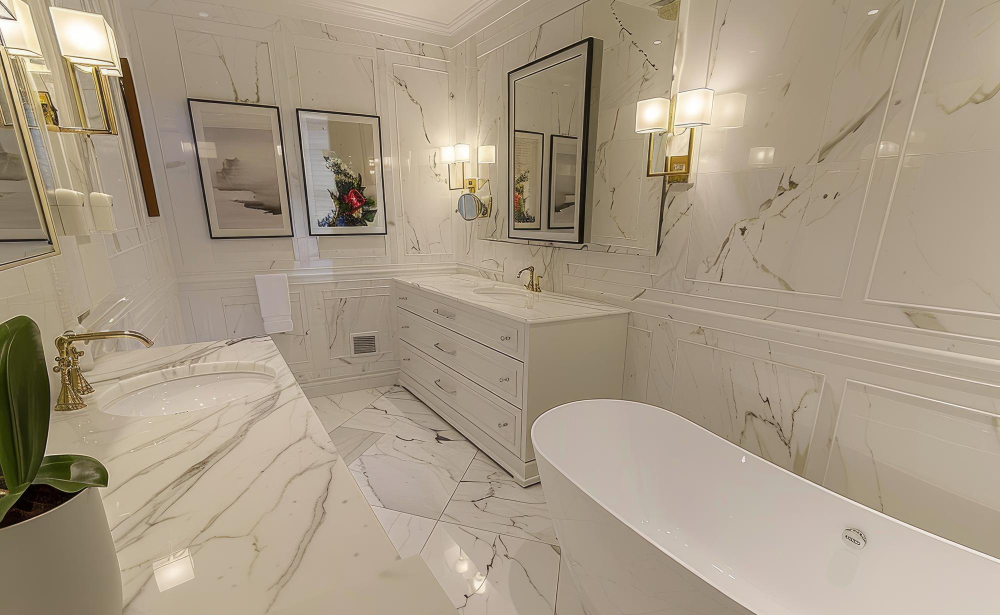
Why Homeowners Are Choosing Bathroom Conversions
Changing Family Needs
Bathrooms that worked years ago may no longer fit modern household routines or long-term lifestyle goals.
Homeowners often pursue conversions to support:
- Growing families
- Aging-in-place planning
- Improved guest accommodations
- Multi-generational living
Conversion projects help homes remain functional as needs evolve over time.
Better Space Efficiency
Many older bathrooms contain inefficient layouts that waste usable space.
Smart reconfiguration can help improve:
- Walking clearance
- Storage accessibility
- Fixture positioning
- Overall room flow
Even relatively small adjustments can create significantly better daily usability.
Modern Lifestyle Expectations
Today’s homeowners expect bathrooms to feel more open, organized, and comfortable than traditional layouts often allow.
Conversion projects frequently help create:
- Walk-in shower systems
- Expanded vanity areas
- Improved lighting layouts
- More flexible bathroom designs
These upgrades support modern routines and long-term comfort.
Popular Bathroom Conversion Types
Tub-to-Shower Conversions
One of the most requested bathroom conversions involves replacing underused bathtubs with larger walk-in shower systems.
Homeowners often choose this conversion because it:
- Improves accessibility
- Creates more open space
- Modernizes bathroom appearance
- Simplifies maintenance routines
Walk-in showers often help bathrooms feel significantly larger and more contemporary.
Accessibility-Focused Conversions
Many homeowners now prioritize long-term usability and safer bathroom movement.
Accessibility upgrades may include:
- Barrier-free entry systems
- Slip-resistant flooring
- Comfort-height fixtures
- Integrated support bars
These improvements support safer and more adaptable living environments.
Space Expansion Reconfigurations
Some remodeling projects focus primarily on improving layout efficiency rather than adding square footage.
Strategic layout modifications may include:
- Relocating plumbing fixtures
- Expanding vanity zones
- Improving doorway access
- Increasing storage integration
These changes help bathrooms function more naturally and comfortably.
How Bathroom Conversions Improve Everyday Living
Professionally planned bathroom layout remodeling projects often improve how homeowners experience their homes on a daily basis.
Improved Comfort and Movement
Better layouts help bathrooms feel less cramped and more relaxing to use.
Conversion upgrades may improve:
- Ease of movement
- Visual openness
- Morning routine efficiency
- Household convenience
These improvements make the bathroom feel significantly more functional.
Better Storage Integration
Modern conversions often prioritize smarter organization systems.
Integrated storage features may include:
- Built-in vanity storage
- Wall niches
- Hidden cabinetry
- Linen organization systems
Better storage helps reduce clutter and improve daily usability.
Reduced Maintenance Demands
Updated layouts and materials can significantly simplify bathroom upkeep.
Modern systems help reduce:
- Moisture accumulation
- Difficult cleaning zones
- Surface wear issues
- Long-term maintenance concerns
These upgrades help bathrooms remain cleaner and more durable over time.
Design Trends Influencing Bathroom Conversions
Open Spa-Inspired Layouts
Bathrooms are increasingly being designed around openness and relaxation rather than compartmentalization.
Spa-inspired conversion trends often include:
- Frameless glass showers
- Large-format tile surfaces
- Floating vanity systems
- Warm neutral material palettes
These layouts create calmer and more luxurious environments.
Multi-Functional Design
Homeowners increasingly want bathrooms that support multiple daily routines efficiently.
Multi-functional features may include:
- Dual vanity systems
- Expanded shower zones
- Integrated seating areas
- Smart lighting systems
These additions improve both convenience and comfort.
Long-Term Accessibility Planning
More homeowners are incorporating accessibility features before they become immediately necessary.
Forward-thinking upgrades may include:
- Curbless showers
- Wide-access layouts
- Improved circulation space
- Safer flooring materials
These features help homes remain usable and adaptable for many years.
Why Professional Conversion Planning Matters
Bathroom conversions often involve structural planning, plumbing relocation, waterproofing coordination, and layout redesign.
Experienced remodeling professionals help ensure:
- Efficient space planning
- Reliable plumbing integration
- Proper moisture protection
- Safe fixture positioning
- Long-term construction durability
Careful planning directly influences both comfort and long-term remodeling success.
The Long-Term Value of Bathroom Conversion Projects
Modernized bathrooms strongly influence overall residential appeal and buyer perception.
Professionally completed bathroom renovation conversions often improve:
- Bathroom functionality
- Accessibility and comfort
- Visual spaciousness
- Long-term usability
- Property resale appeal
These renovations help bathrooms better support modern living expectations.
The Future of Bathroom Layout Design
Bathroom remodeling is increasingly moving toward highly personalized and function-driven design. Homeowners now want layouts that improve comfort, movement, organization, and long-term adaptability rather than simply updating appearances.
From accessibility-focused upgrades and walk-in showers to spa-inspired layouts and smarter storage systems, bathroom conversions are helping redefine how modern homes function every day.